Loading...
Serving Johnson City, TN and surrounding areas. (423) 672-1860
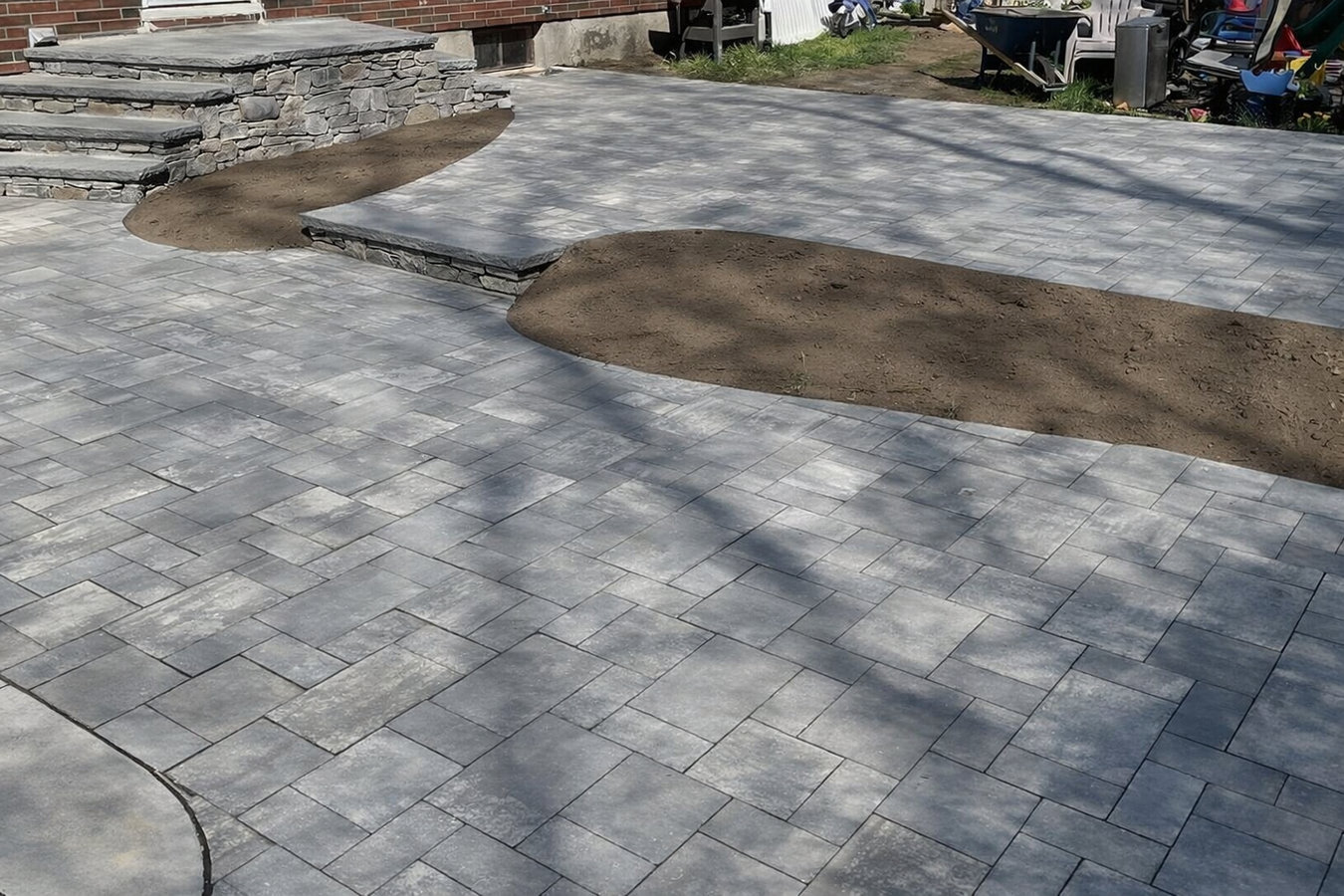
A new walkway should stay level, drain properly, and hold up through Johnson City winters - not crack and shift after the first cold season.
Walkway construction in Johnson City means preparing the ground underneath first - removing old material, compacting the soil, and adding a gravel base - then laying concrete, brick, or natural stone on top, with most residential projects taking one to three days from start to finish.
If you have an older home in the Johnson City area, your current walkway has probably been through enough freeze-thaw cycles to show some real wear - cracks that have grown wider each spring, sections that no longer sit level, or a surface that is rough and slippery in winter. These are not cosmetic problems. They are signs that the path underneath is breaking down and, in some cases, directing water toward your foundation instead of away from it. Getting the problem fixed is simpler than most homeowners expect.
Many homeowners who need a new walkway are also thinking about their driveway. If that describes your situation, driveway pavers are worth considering at the same time - coordinating both projects in one visit saves on mobilization costs and gets everything finished together.
If your walkway cracks seem a little bigger every year, the freeze-thaw cycle is doing cumulative damage. In Johnson City, temperatures regularly drop below freezing and climb back up in the same week - water works into small cracks, freezes, expands, and widens them. Small cracks can sometimes be patched, but spreading or shifting sections usually mean replacement is the smarter long-term investment.
Look for spots where one section sits higher or lower than the one beside it. Uneven sections are a tripping hazard, and they also signal that the base underneath has shifted - often from poor drainage or soil movement. On Johnson City's hillier lots, soil erosion from heavy rain can cause this kind of settling faster than it would on flat ground.
Standing water on or beside your walkway after a storm means the path is not draining correctly. Water sitting near your foundation can work its way into a basement or crawl space over time. A new walkway built with proper slope and drainage can redirect that water away from your home and eliminate the problem at its source.
Concrete that has been through many freeze-thaw cycles develops a rough, pitted texture as the top layer breaks down. That surface becomes slippery when wet or icy - a real safety concern during Johnson City's winter months. If your walkway feels gritty underfoot or looks like it is flaking apart, the surface has likely reached the end of its useful life.
We build walkways from the ground up - front paths, side yard access routes, backyard connections, and step-integrated entries for homes on sloped lots. Every project starts with base preparation: we remove the old material, dig down to stable ground, add a compacted gravel base, and set the slope so rainwater runs away from your home rather than toward it. That preparation work is what separates a path that holds up through a Johnson City winter from one that starts cracking by the following spring. For homes that need a new walkway alongside an updated entry area, brick wall installation can frame the path with a clean border or low garden wall that ties the whole front yard together.
Material choice matters more in this climate than in warmer parts of Tennessee. We discuss the options with you before work begins and recommend materials based on your yard conditions, your home's character, and what will hold up best over time - not just what looks good in a sample book. For homeowners with sloped lots, we design drainage into the walkway layout so water does not channel toward the house. The Portland Cement Association publishes guidance on freeze-thaw durability in flatwork installations - the standards we work from for every concrete path in this region.
The most affordable and lowest-maintenance option - suits homeowners who want a durable, easy-to-clean path without ongoing upkeep.
Suits homes with existing brick features - individual sections can be replaced if something shifts, which often makes long-term repair simpler than concrete.
For homeowners who want a more distinctive look - natural stone paths complement older Johnson City homes and landscaped yards well.
For existing paths that are cracking, heaving, or draining poorly - assessment first, then the right scope of work rather than an automatic full replacement.
Johnson City sits at roughly 1,600 feet in the Appalachian Highlands, which means winters here bring more freeze-thaw cycling than most of Tennessee. Temperatures regularly dip below freezing and then climb back above it in the same week - a pattern that is harder on concrete and masonry than a steady cold. Walkways built without the right base preparation or material selection start showing damage within a few seasons. Established neighborhoods like Fairview and the areas around ETSU have homes with walkways that are decades old, and replacing them means working around mature landscaping, existing drainage patterns, and sometimes matching original materials that are no longer standard stock. We have done that work across Johnson City and know what it takes to get a good result in these conditions.
Drainage is the other local factor that shapes every walkway project here. Many Johnson City properties sit on sloped lots where water naturally runs toward the house rather than away from it. A walkway built on that kind of terrain without a drainage plan can actually make water problems worse. We serve homeowners across the area, including Kingsport and Elizabethton, where the same hilly terrain and seasonal weather patterns apply. Getting the drainage conversation right before a single stone is laid is how you avoid fixing the same problem twice.
Tell us the approximate size of your path, the material you have in mind, and whether you are replacing an existing walkway or starting fresh. We respond within one business day and schedule a free on-site estimate at your convenience.
We walk the area with you, look at how the ground slopes and how water currently drains, and discuss material options suited to your yard and home. You get a written quote before anyone asks you to commit to anything.
The crew removes old material, digs to stable ground, adds a compacted gravel base, and sets the slope for drainage. Surface work follows - concrete, brick, or stone - with the visible layer going down on the same day or the next, depending on project size.
We let you know how long to stay off the surface - typically 24 to 48 hours for foot traffic on concrete. Before we leave, we do a walkthrough with you. Any concerns get addressed on the spot, not later.
Free estimate, written quote, no obligation. We respond within one business day.
(423) 672-1860Every walkway we build starts with proper subgrade preparation: removing old material, compacting the soil, and installing a gravel base layer before any surface material goes down. This step is what most rushed jobs skip - and it is what determines whether a walkway holds up after the first few winters.
We assess slope and drainage before we start, not after a problem appears. Every path we build is set with a slight grade away from the house so rainwater moves where it should. On sloped Johnson City lots, this matters even more - a path that sends water toward your foundation is worse than no path at all.
Johnson City sees more freeze-thaw cycling than lower-elevation parts of the state. We use concrete mixes and installation methods specifically suited to that stress - not the same materials a contractor in Knoxville or Nashville might default to. The National Concrete Masonry Association sets the standards we reference for cold-weather flatwork.
You get a written estimate after we see your property in person - not a phone guess. We do not change that number without talking to you first. No surprise charges when the job is done.
These are not abstract promises - they reflect how we have approached every project we have completed across Johnson City and the surrounding area. A walkway that holds up through ten winters is the only kind worth building.
Add a brick border wall or low garden wall alongside your new path for a finished front-yard look.
Learn MoreCoordinate your walkway and driveway in a single project to keep materials consistent and save on mobilization.
Learn MoreSpring slots fill quickly - reach out now to lock in your project date before the season gets away from you.