Loading...
Serving Johnson City, TN and surrounding areas. (423) 672-1860
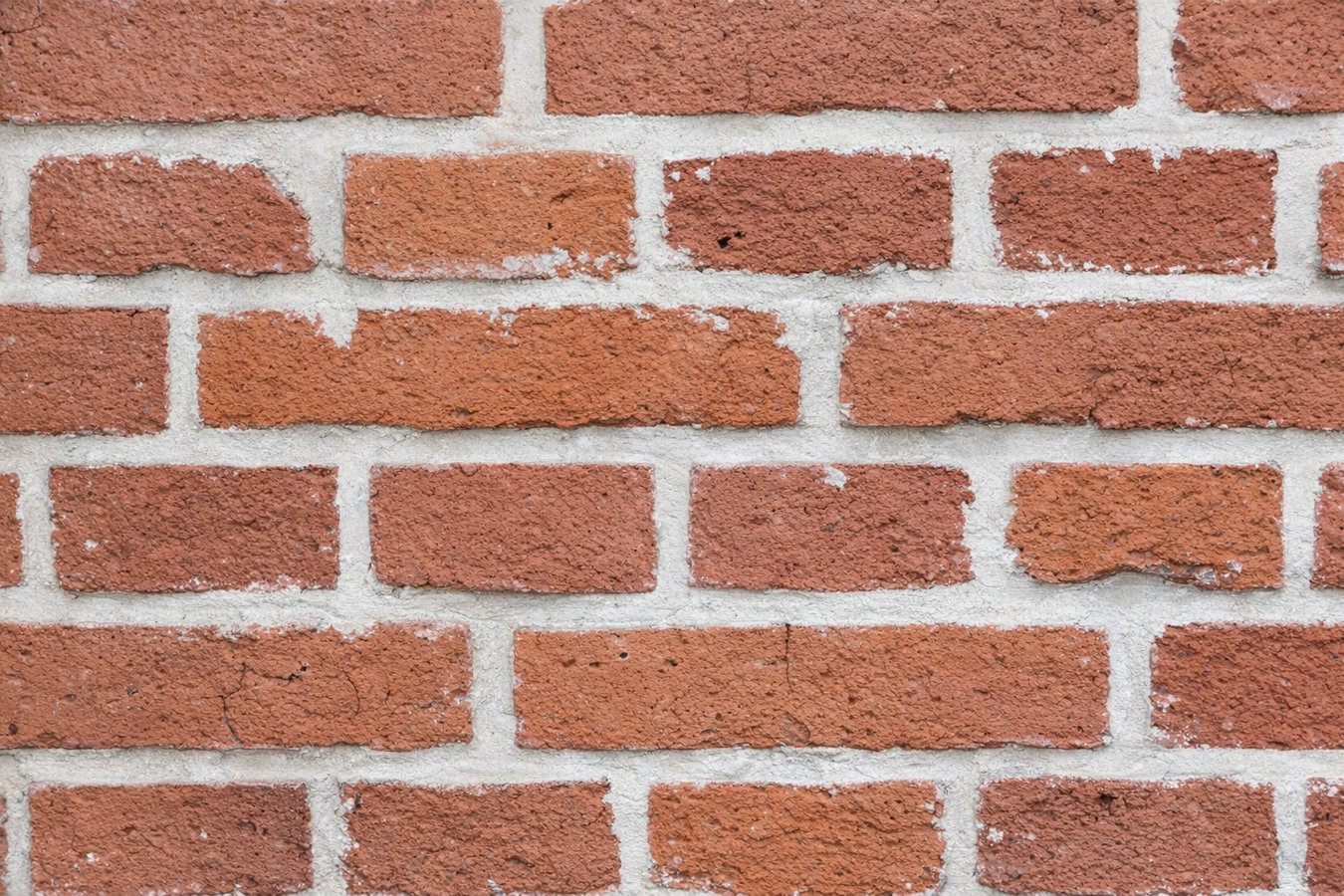
Crumbling mortar lets water behind your brick. We remove the old material, pack in fresh mortar matched to your home, and seal it tight before the next freeze-thaw season does more damage.
Tuckpointing in Johnson City means removing old, crumbled mortar from the joints between your bricks and replacing it with fresh material - most jobs on a chimney or section of wall take one to two days and stop water from getting behind the brick before freeze-thaw cycles cause far costlier damage.
If you own a brick home in Johnson City and notice chalky white streaks on the wall or joints that look recessed or pitted, moisture is already moving through your masonry. Mortar is the sacrificial layer that protects your brick - when it goes, water follows. The good news is that catching it at the tuckpointing stage is far cheaper than waiting until bricks themselves start cracking or shifting.
Many homeowners who call us about tuckpointing also have questions about related work - if you have an older chimney, our brick repair service covers individual damaged bricks that tuckpointing alone cannot address.
Stand back from your wall, chimney, or retaining wall and look at the lines between the bricks. If those lines look sunken, crumbly, or have small chunks missing, the mortar is failing. If you can scratch mortar out with your fingernail, it is past time to call someone.
White, chalky streaks running down your brick are water carrying dissolved minerals through the wall. In Johnson City, where winter rain and snowmelt are common, this staining often appears on north-facing walls or chimneys after a wet season - the wall's way of signaling moisture is getting in.
After a Johnson City winter with multiple freeze-thaw cycles, check your chimney joints in early spring. If the mortar looks more pitted or flakes when you touch it, the winter weather has done damage. Chimneys take the worst of it because they are exposed on all sides and go through dramatic temperature swings every time you use the fireplace.
If any bricks look out of line with their neighbors or push slightly outward, the mortar has failed enough that the wall is losing structure. This is more urgent than surface crumbling. Catching it now is still a tuckpointing job - waiting can turn it into a partial rebuild.
We handle tuckpointing on chimneys, exterior walls, retaining walls, and any other brick or stone surface where mortar joints have deteriorated. The process starts with carefully grinding or chiseling out the old mortar to a proper depth - typically half an inch to three-quarters of an inch - so the new material has something solid to bond to. We then pack in fresh mortar by hand, match the joint profile to your existing wall, and clean the brick face so the repair looks as clean as possible.
For chimneys, we also inspect the crown and cap while we are up there. For older homes in Johnson City's established neighborhoods - many built between the 1920s and 1960s - we select a mortar mix that is softer and more flexible than modern formulas, because using a hard mix on old brick can cause the bricks themselves to crack. If there are individual damaged or spalled bricks alongside failing joints, our brick pointing service covers that precision finish work.
Best for homeowners with older chimneys showing pitted joints, white staining, or water entry around the firebox.
Suits brick homes where mortar along full wall sections or around windows and doors has receded or crumbled.
Designed for homeowners with sloped lots whose mortared retaining walls are showing gaps or surface erosion.
For homes built before 1960 that need a softer, lime-based mix to protect original brick from cracking.
Johnson City sits at roughly 1,600 feet in the Appalachian Highlands, which means it goes through more freeze-thaw cycles each winter than lower-elevation Tennessee cities like Nashville or Memphis. Every time moisture in a mortar joint freezes and expands, it grinds the joint apart from the inside. Homeowners here see mortar deterioration faster than they might expect, which is why acting on early signs - slight recessing, fine cracks, or white staining - pays off more here than in a milder climate.
Johnson City also has a large share of brick homes built between the 1920s and 1960s, particularly in neighborhoods near downtown and East Tennessee State University. The mortar in those homes was often mixed with a higher lime content, which behaves differently from modern material - softer and more flexible, but also more prone to erosion. We serve homeowners across Jonesborough and Erwin as well, and the same freeze-thaw conditions apply throughout the region.
We respond within one business day. You will tell us where the problem is and how long it has looked that way - no need to prepare anything else.
A mason visits, looks closely at the joints and brick condition, and checks accessibility. You receive a written estimate that breaks down what is recommended and why - no guesswork on cost.
We pick a date that works. Spring books fast in Johnson City, so earlier is better. We monitor the forecast and communicate if rain or freezing temps require a shift.
The crew cleans up, removes scaffolding, and walks you through the finished work. We point out what was done and anything else to watch - then leave you with a 24 to 48 hour curing window before the repair can handle rain.
Free estimate, written quote, no obligation. We reply within one business day.
(423) 672-1860Many Johnson City homes were built in the mid-20th century with softer brick. We assess the existing mortar and select a compatible mix - using modern hard mortar on older brick causes the bricks to crack, which costs far more to fix.
Tennessee requires licensing for masonry work, and we hold ours current. That means the state has verified our qualifications and you have a formal avenue if anything ever falls short. Learn more at the Tennessee contractor licensing board.
We have been working on brick homes across the Tri-Cities region long enough to know which neighborhoods have the oldest mortar, which rooflines need more care, and which seasons fill our schedule fastest. That local track record matters when you are trusting someone with your home.
You get a written breakdown of what will be done and what it costs before we pick up a tool. If something unexpected comes up during the job, we tell you before adding it - never after. No invoice surprises.
Every one of these points comes back to the same thing: you deserve to know exactly what is happening with your home and why. We work that way because it is how we would want to be treated.
The Brick Industry Association publishes technical standards for mortar selection and joint profiling - standards we follow on every job.
When cracked or spalling bricks need more than fresh mortar, we cut out and replace the damaged units while keeping the surrounding wall intact.
Learn MorePrecision joint finishing for walls where the profile and appearance of the mortar line matters as much as the seal.
Learn MoreMortar damage only gets worse through another freeze-thaw season - get a free estimate now and lock in your date before the schedule fills.