Loading...
Serving Johnson City, TN and surrounding areas. (423) 672-1860
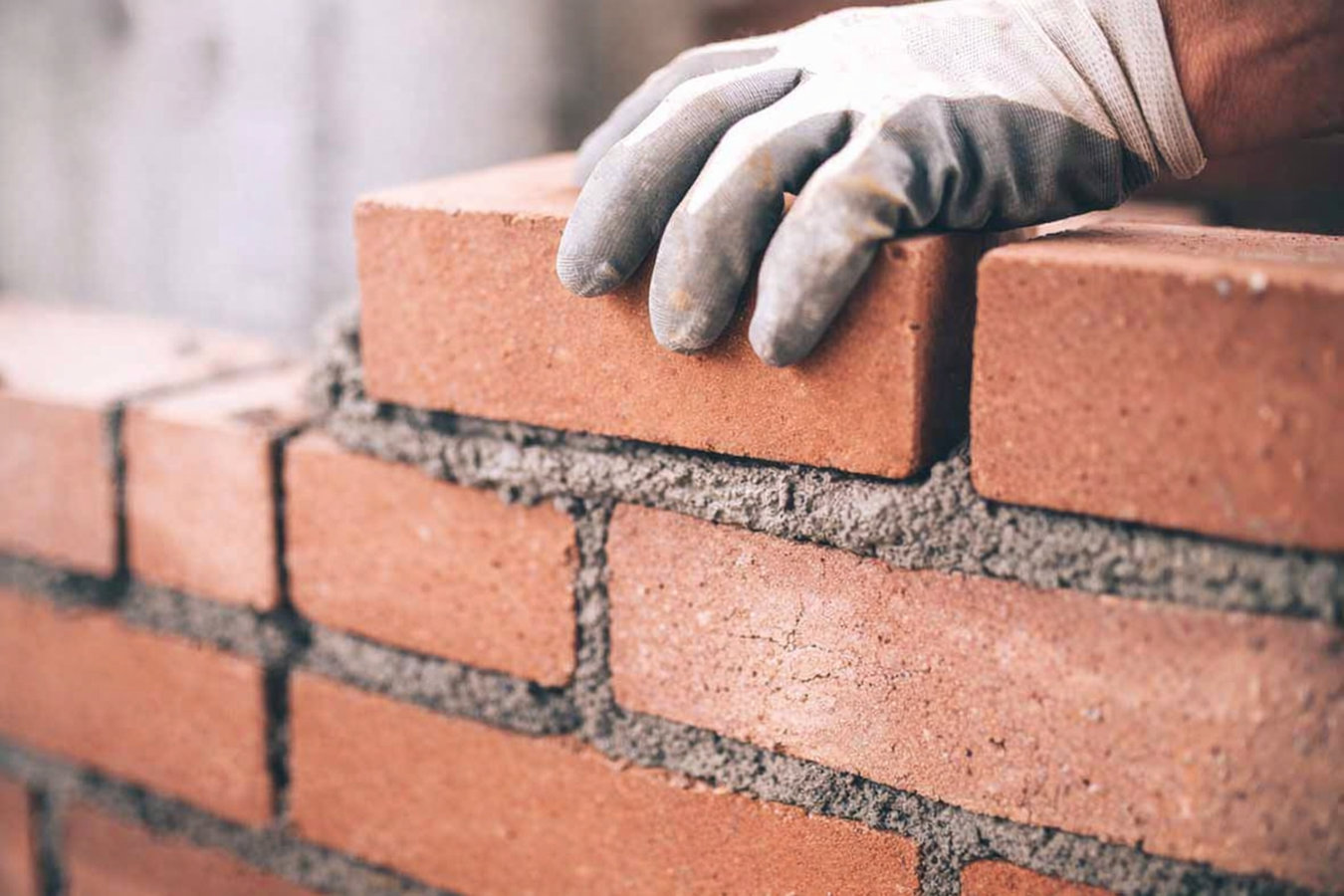
A properly built brick wall starts with the right footing, uses mortar suited to this climate, and drains properly - so it holds its shape through Johnson City winters for decades.
Brick wall installation in Johnson City means digging a concrete footing suited to the local clay soil, laying each course level and plumb, and finishing with mortar joints that will hold up through the region's freeze-thaw winters - most residential projects take two to ten days depending on wall size and site conditions.
Johnson City has a significant number of homes built in the 1940s through 1960s, many with original brick features - chimneys, foundation walls, porch columns, and planters - that are now showing their age. Some homeowners are dealing with leaning or crumbling walls. Others are adding new brick walls to a property that has never had them. Either way, the approach is the same: the visible brickwork is only as good as the footing underneath it and the drainage built into the structure. Cut corners on either, and Johnson City's clay soil and winter cycling will find the weak spots within a few years.
For homeowners who want to restore existing brick features at the same time as adding a new wall, brick repair can often be scoped together with new wall work - reducing mobilization costs and completing related projects in a single visit.
If you can see that a wall is no longer standing straight - even slightly - the footing beneath it has likely shifted or failed. In Johnson City's clay-heavy soils, this kind of movement is more common than homeowners expect, especially after a wet spring followed by a dry summer. A leaning wall will not fix itself and can become a safety hazard. A mason should look at it sooner rather than later.
That chalky white residue on brick - called efflorescence - means water is moving through the wall and carrying mineral salts to the surface. It is not always a structural emergency, but it is a sign that moisture is getting in somewhere it should not. In Johnson City's climate, with its wet winters and spring rains, this is a common early warning sign that mortar joints or drainage details need attention.
Run your finger along the joints between bricks. If the mortar feels soft, crumbles easily, or has gaps where it has fallen out, the wall is losing its structural integrity. This is especially common on older Johnson City homes where the original mortar is 50 or more years old. Deteriorating mortar allows water in, which accelerates damage through the freeze-thaw cycles the area sees every winter.
Sometimes the sign you need this service is not damage - it is a project you have been putting off. A privacy wall for the backyard, a brick border around a garden, or a retaining wall to manage a sloped section of yard are all good reasons to call. Getting the project done before winter sets in is smart in Johnson City, since mortar work is best done when temperatures are consistently above freezing.
We build and repair brick walls across Johnson City - privacy walls, garden walls, retaining walls, decorative borders, porch columns, chimney rebuilds, and structural walls for homes with failing original masonry. Every new wall starts with a concrete footing dug to the depth the soil and wall height require. In Johnson City, that means accounting for the clay soil content in the Appalachian Valley - clay expands when wet and contracts when dry, so a footing that does not go deep enough will move with the seasons. Walls built on undersized footings start leaning within a few years, sometimes faster on sloped lots. We dig the right depth the first time.
Matching brick matters on older Johnson City homes. Many houses here were built with brick styles that are no longer standard stock, and adding new brickwork that clearly does not match stands out in the wrong way. We source from regional suppliers and, when needed, look at salvaged material to get the closest available match. For homeowners adding a wall alongside other exterior improvements, stone masonry can be a natural companion project - stone and brick work well together when the details are coordinated, and combining them in a single scope keeps the project organized. The Brick Industry Association publishes the installation standards we work from on every project, including drainage requirements and joint finishing specifications for climates with freeze-thaw activity like ours.
For homeowners who want to enclose a backyard, screen a view, or define a property line with a permanent masonry structure.
Low brick walls that frame a garden bed, border a patio, or add a finished edge to a landscaped yard - built to hold up through many seasons.
For hillside properties that need a wall to hold back soil - built with stepped footings and drainage built into the structure to handle Johnson City's clay soils.
For walls that are leaning, crumbling, or losing mortar - assessment first, then targeted repair or full rebuild depending on what the structure actually needs.
Building a brick wall in Johnson City is not the same as building one in a warmer or flatter part of the state. The clay-heavy soils in the Appalachian Valley and Ridge region move with moisture - expanding in wet weather and contracting in dry spells. A footing that does not account for this will transfer that movement into the wall above it. Pair that soil behavior with the freeze-thaw cycling the region sees at 1,600 feet elevation, and you have conditions that expose every shortcut in a hurry. Mortar joints that are not properly finished allow water in. Water that freezes overnight expands and widens those gaps. By the time the wall is visibly failing, the damage has usually been building for a few seasons already. Working with a contractor who has built walls in these specific conditions means the details get handled right the first time.
Hilly terrain adds another layer of complexity. Much of Johnson City sits on sloped or uneven ground, and walls on slopes require stepped footing designs that follow the grade of the land rather than running flat. This is not complicated if you have done it before - but it does add labor and cost, and any contractor who quotes a sloped site without acknowledging that difference has not really looked at your property. We work across the area, including in Jonesborough and Bristol, where older housing stock and hilly lots are just as common as in Johnson City proper. The permit process with Washington County is a regular part of how we work - not something we try to skip.
Tell us what you are trying to build and roughly where on your property. We ask a few basic questions about height, style, and whether the wall needs to hold back soil. We respond within one business day and schedule a free on-site visit.
We visit the property, check the slope and soil, measure the area, and discuss your goals for the wall. After the visit, you get a written estimate that separates labor and materials. We do not give prices over the phone without seeing the site first.
For most brick wall projects in Johnson City, we pull a permit from the Washington County Building and Codes office before work begins. We handle this for you - you should not have to navigate the permit office yourself. This step typically adds three to seven business days before the start of work.
The crew digs and pours the footing, waits for it to cure, then lays each course level and plumb until the wall is complete. A county inspector signs off on the finished work. After that, plan on keeping the wall dry and undisturbed for at least 48 hours before any pressure is placed on it.
We handle the permit process, give you a written quote after seeing the site, and respond within one business day.
(423) 672-1860Johnson City's Appalachian clay soil moves with moisture, and the frost line here requires footings dug deeper than in lower-elevation parts of the state. Every wall we build is footed to the depth the site actually requires - not a one-size estimate that ignores local ground conditions.
Washington County requires permits for most brick wall projects in Johnson City. We pull the permit, manage the inspection, and close out the paperwork - you do not have to deal with the county building office. The inspector's sign-off is documented proof the wall was built to local safety standards, which protects your investment at resale.
Many homes in Johnson City were built in the mid-20th century with brick styles that are no longer standard. We source material from regional suppliers and check salvaged brick when necessary to get the closest available match to your existing masonry. New work that blends in looks intentional - new work that does not match stands out for the wrong reasons.
Walls on sloped lots need drainage built in - small openings near the base that let water escape before pressure builds and pushes the wall out of alignment. The Mason Contractors Association of America cites drainage as a top factor in long-term wall performance. On Johnson City's hilly terrain, skipping this detail is how walls fail within a few seasons.
A brick wall is a long-term investment in your property. Every detail - footing depth, mortar mix, drainage, brick matching - shapes whether that wall looks right and holds its position twenty years from now. We do not shortcut the details that matter in this climate.
Stone walls and features that complement brick - natural stone and brick work well together when the project is scoped as one.
Learn MoreRestore existing brick features on your property at the same time as adding a new wall, keeping the work coordinated in a single visit.
Learn MoreSpring and summer project slots fill quickly - contact us now to lock in your start date before the busy season arrives.