Loading...
Serving Johnson City, TN and surrounding areas. (423) 672-1860
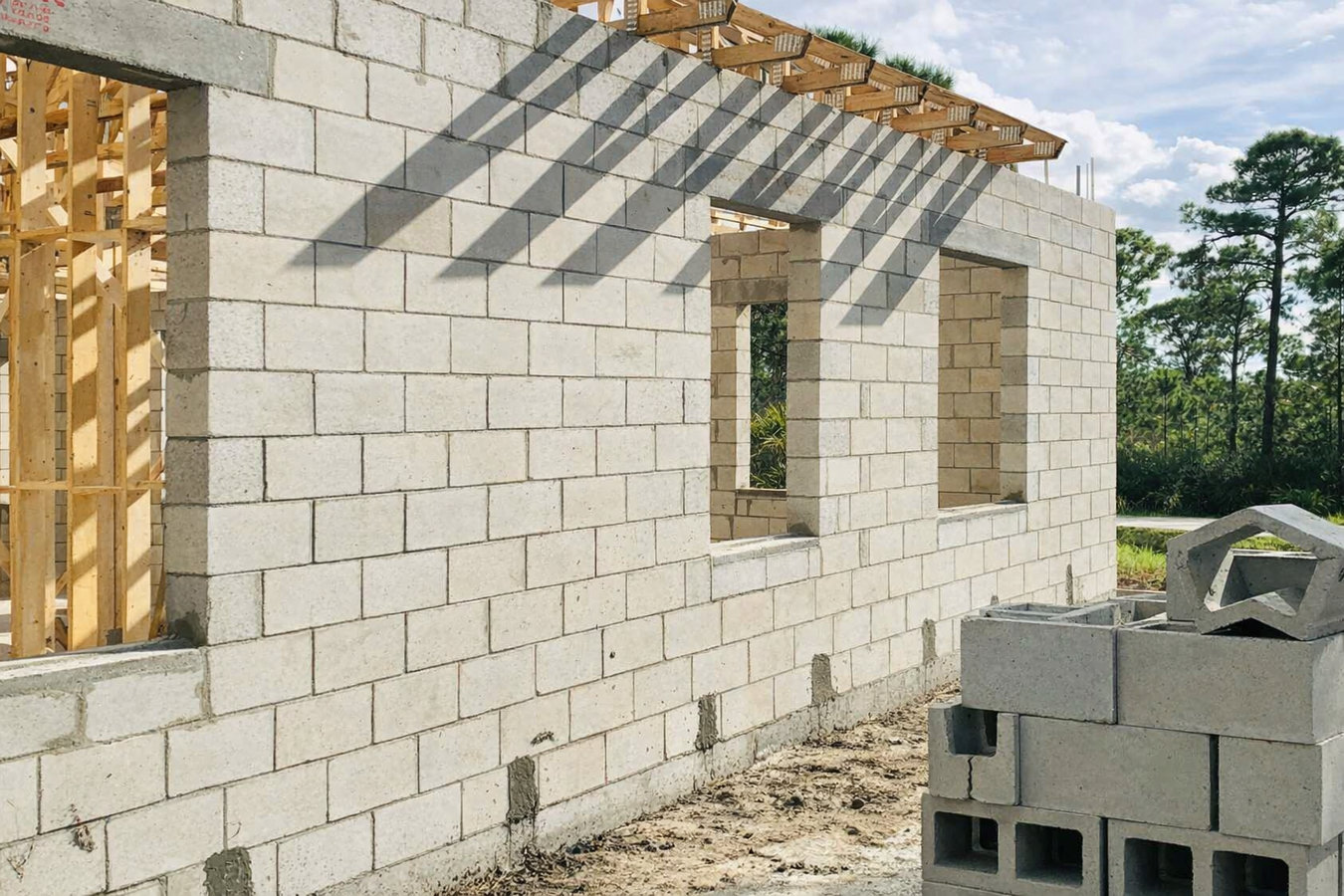
Johnson City's clay-heavy ground and wet springs put real pressure on foundations. We build block walls that account for local soil conditions, include proper waterproofing, and pass city inspection the first time.
Foundation block wall installation in Johnson City means stacking and mortaring concrete masonry units into a structural wall, filling cores with concrete and steel for strength, applying waterproofing on the exterior, and installing drainage at the base - most single-family projects take three to seven working days and require a city building permit and inspection.
This kind of work comes up in two situations: new construction that needs a foundation built from scratch, and older homes where the existing block wall has reached the end of its service life. Johnson City has a large share of homes built between the 1940s and 1970s, and many of those original block foundations are now 50 to 80 years old. If you live in one of the city's established neighborhoods, the question is not whether your foundation will eventually need attention - it is whether you get ahead of it or wait until a problem forces your hand.
Foundation work often connects to other structural services. If your wall has deteriorated to the point where individual blocks are damaged or missing, foundation repair may be a more targeted starting point before a full replacement is considered.
Horizontal cracks in a block wall are one of the most serious warning signs a homeowner can spot. They usually mean the wall is bowing inward from soil pressure - something that gets worse over time, not better. If you see a crack running sideways across the wall, especially one wider than a hairline, get a professional opinion before the next wet season. Johnson City's clay-heavy soil expands significantly after heavy rain, and that expansion pushes hard against older foundation walls.
Johnson City's hilly terrain and heavy spring rains mean homes on slopes are especially vulnerable to water pushing through foundation walls. If you notice damp spots, white chalky residue, or standing water in your basement or crawl space after a rainstorm, your foundation wall may no longer be keeping water out effectively. This is a sign the wall's waterproofing has failed or was never adequate to begin with - and it only gets worse each wet season.
Stand back and look at your foundation wall from a distance. If any section curves inward rather than sitting perfectly straight, that is a sign the wall is under pressure it was not designed to handle. Clay soil in this area expands significantly when wet, and that expansion pushes against foundation walls from outside. A bowing wall means the soil is winning, and the longer it goes without repair, the more extensive the work becomes.
Run your hand along the mortar joints between the blocks. If the mortar feels soft, crumbles easily, or is visibly missing in spots, the wall has lost a significant part of its structural integrity. This kind of deterioration is common in Johnson City homes built before the 1980s, where original mortar has been through decades of freeze-thaw cycles. Crumbling mortar lets moisture in, which accelerates the problem and can lead to block displacement over time.
We build new concrete block wall foundations for homes, garages, and accessory structures throughout Johnson City and the surrounding Tri-Cities area. Every installation includes reinforced cores with concrete and steel rod, a waterproof membrane applied to the exterior before backfill, and drainage planning at the base of the wall. These are not optional add-ons - they are what separates a block wall that lasts decades from one that starts letting water in within a few years. We also coordinate the building permit and city inspection from start to finish, so you have the paperwork to prove the work was done correctly.
For homeowners dealing with an existing foundation that has shifted, cracked, or started bowing, we assess whether a full replacement or a targeted repair is the right answer. In many cases a partial wall replacement combined with drainage improvements is more practical than tearing out everything. If structural conditions point toward wider concerns, outdoor kitchen masonry is another area where we apply the same engineering discipline to above-grade structures that need to stay stable in Johnson City's soil, and our foundation repair service handles targeted fixes for walls that are not yet at the point of full replacement.
For new construction or full foundation replacement - built with reinforced cores, proper waterproofing, and drainage from the ground up.
Suits homes where one section of the foundation has failed but the rest of the wall remains sound - a more targeted and cost-effective option than full replacement.
For walls that are structurally intact but have begun letting water in - exterior membrane application and perimeter drainage installation.
For homeowners who want a contractor to handle the full permit process with the City of Johnson City Building and Codes Department from application through final inspection.
Johnson City sits in the Ridge and Valley region of the Appalachians, where the soil is a mix of heavy clay and rocky subsoil. Clay expands when it gets wet and contracts as it dries - that constant movement puts ongoing pressure on foundation walls over time. Contractors who have not worked in this specific geology often build to a standard template that does not account for how the ground behaves here. The National Concrete Masonry Association publishes standards for block wall construction, but applying those standards correctly in Johnson City means understanding local drainage patterns, seasonal rainfall, and the freeze-thaw cycles that run from December through February. We have been working in this area long enough to know what the ground does in a wet spring and how to build against it. Homeowners in Elizabethton deal with the same soil conditions and rely on us for exactly this kind of locally informed foundation work.
The city's hilly terrain adds another layer of complexity. Homes on sloped lots in neighborhoods throughout Johnson City and in communities like Jonesborough see more water pressure against their foundation walls after heavy rain, because water moves quickly across slopes and concentrates at the lowest point - which is often the foundation. Johnson City receives around 44 inches of rain per year, with the wettest periods in late winter and spring. Designing drainage into the foundation from the start is not an upgrade in this climate - it is a requirement for a wall that will last.
Reach out by phone or through our contact form. We reply within one business day and schedule a free on-site visit. Foundation work cannot be priced accurately without seeing the site - anyone quoting you over the phone without a visit is guessing.
We assess the soil conditions, drainage, existing wall if applicable, and the full scope of work. We also confirm whether a permit is required - for most foundation wall installations in Johnson City, it will be. We handle the permit application with the City of Johnson City Building and Codes Department as part of the project.
Once the permit is in place, work begins. The crew excavates around the foundation if needed, then lays block courses from the footing up. After the wall sets, we apply a waterproof exterior coating and install drainage at the base before carefully backfilling and compacting the soil.
We coordinate the city inspection - you do not need to manage that process yourself. Once the inspection passes, we clean up the work area and walk you through everything. Before we leave, we provide copies of the permit, inspection sign-off, and any warranty documentation in writing.
Free on-site estimate. We handle the permit and inspection. No pressure to move forward until you are comfortable with the plan.
(423) 672-1860The clay-heavy ground in this area expands and contracts with every wet and dry cycle, and a foundation wall designed for a different climate will show it within years. We account for local soil behavior, seasonal drainage patterns, and the freeze-thaw cycles specific to this elevation when we design every wall. That local knowledge is not something you can import from a contractor based elsewhere.
A block wall without proper exterior waterproofing will eventually let water in - that is especially true in Johnson City, where spring rains are heavy and sustained. We treat the waterproof membrane and base drainage as core parts of every installation, not optional upgrades. You should not have to negotiate for the step that protects the investment you just made.
Navigating the City of Johnson City Building and Codes Department on your own is time-consuming, and unpermitted foundation work creates real problems when you sell or file an insurance claim. We handle the permit application, track the process, and coordinate the city inspection from start to finish. When the job is done, you have the documentation to prove it was done right.
Some foundation concerns look alarming but are minor - crumbling mortar on an otherwise sound wall, for example. Others look minor and are serious. We give you a straight answer about what you are actually looking at before recommending a scope of work. Not every foundation call leads to a full replacement, and we will not recommend one unless it is genuinely the right call. The{' '}
Foundation work is the kind of project where cutting corners early costs you much more later. We have been doing this work in Johnson City long enough to know the difference between a wall that will last 50 years and one that will be a problem again in five - and we build to the standard that keeps you from calling anyone back.
Permanent masonry outdoor kitchens built on a properly engineered foundation - the same structural discipline we apply below grade, applied above it.
Learn MoreTargeted repairs for existing block foundations that are cracking, bowing, or leaking - a more focused option when full replacement is not yet necessary.
Learn MoreCall us today or request a free on-site estimate - Johnson City spring rain season arrives every year, and the best time to address a foundation concern is before the ground gets saturated.