Loading...
Serving Johnson City, TN and surrounding areas. (423) 672-1860
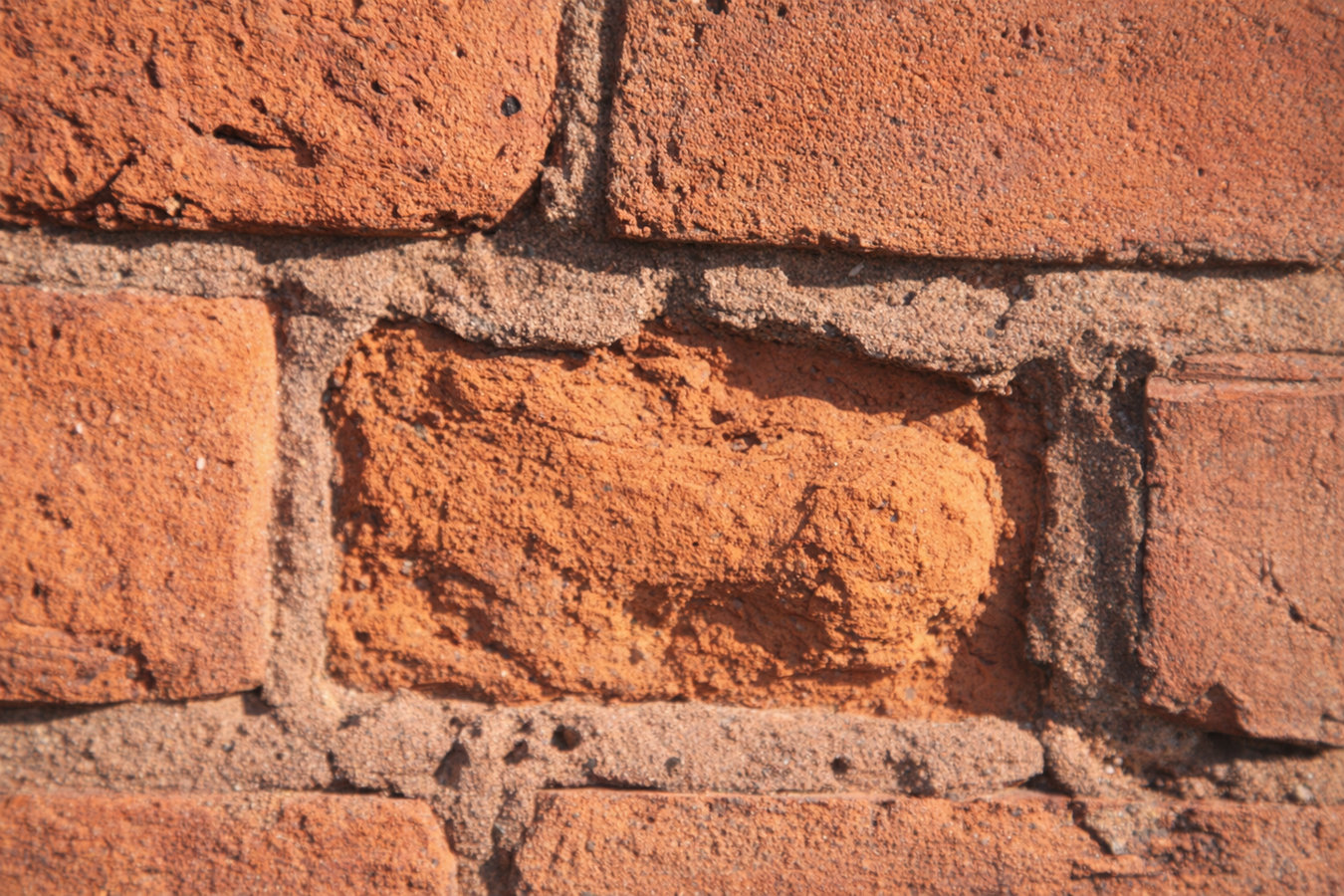
Crumbling mortar joints let water into your walls with every rain and freeze - we remove what has failed, pack in the right material, and your brick stays solid through Johnson City winters.
Brick pointing in Johnson City is the process of removing old, crumbling mortar from between your bricks and replacing it with fresh material - most chimney and wall repairs take one day, while a full exterior repointing on a two-story home can take a week or more depending on scope.
The mortar between bricks is designed to be the softer, sacrificial material - it absorbs movement and moisture so the bricks themselves do not crack. In Johnson City, where winters bring repeated freeze-thaw cycles at roughly 1,600 feet elevation, mortar wears down faster than in lower-elevation parts of Tennessee. Neighborhoods like Fairview and the areas surrounding East Tennessee State University have a significant number of brick homes built between the 1930s and 1970s. If your home was built before 1980, there is a reasonable chance the original mortar joints are at or past the point where repointing makes sense - even if the bricks themselves look fine.
If your mortar joints are crumbling at the same time that cracks are spreading through the brick face itself, that moves from a pointing job into foundation repair or structural masonry territory - a problem we can assess and address as part of the same evaluation.
Run your finger along the mortar lines between your bricks. If the material feels soft, sandy, or breaks away with light pressure, it has lost its strength and is no longer doing its job. This is one of the clearest signs that repointing is overdue - and in Johnson City's climate, it is a common finding on homes built before the 1980s.
Stand back and look at your brick wall from a slight angle. If the mortar lines look sunken - sitting noticeably below the face of the brick rather than flush with it - water is pooling in those channels every time it rains. Johnson City's consistent rainfall means those recessed joints are getting wet regularly, and the damage accelerates with each winter freeze.
A chalky white residue on the surface of your bricks - called efflorescence - means water is moving through the wall and carrying mineral salts to the surface as it evaporates. It is not dangerous on its own, but it tells you that water is getting in somewhere. Failing mortar joints are the most common entry point.
If you notice moisture, discoloration, or a musty smell on an interior wall that backs up to an exterior brick surface, water may be getting through deteriorated mortar joints. This is especially worth investigating in Johnson City homes with older brick construction, where the original mortar has had decades of exposure to the region's wet winters and humid summers.
We provide brick pointing for chimneys, exterior walls, retaining walls, and foundation brick surfaces throughout Johnson City. The process starts with grinding or chiseling out the old mortar to a consistent depth - about three-quarters of an inch - before packing in new material and shaping each joint to match the original profile. On older homes, mortar selection is critical: using a modern high-strength mix on pre-1970s brick can cause the bricks to crack because the new mortar is harder than the brick itself. We test the existing mortar before selecting a replacement mix. That step matters a lot in Johnson City's established neighborhoods where mid-century brick construction is common. Related work on foundation repair is often scoped alongside a pointing job when the evaluation reveals cracking that runs deeper than the mortar joints alone.
For homeowners who also have mortar or stone issues beyond the brick walls, tuckpointing covers the finishing technique used to create clean, precise joint lines - a useful distinction when the goal is to restore the look of a historic or character home in one of Johnson City's older districts. The Brick Industry Association publishes the technical standards we follow for mortar selection, joint profiling, and curing - including specific guidance for climates with freeze-thaw activity.
For chimneys with crumbling or missing mortar joints - targeted replacement before another winter cycle pushes water into the structure.
For full or partial exterior walls showing recessed, crumbling, or stained joints - mortar matched to your existing brick color and type.
For below-grade or at-grade brick foundation surfaces where failing mortar is allowing water into crawl spaces or basements.
For walls where only a section of joints has deteriorated - targeted repair rather than full repointing where the scope does not warrant it.
Johnson City averages around 44 inches of rain per year, spread fairly evenly across all seasons. That consistent moisture means brick walls here rarely get a long dry spell - any gap in a mortar joint is regularly exposed to water. When temperatures drop below freezing overnight and rise above it during the day, that moisture expands and contracts inside the joint, slowly widening cracks with each cycle. It is the most common reason brick homes in this area develop water problems, and it accelerates noticeably in older homes where the original mortar has had 50 or more years of this exposure. Homeowners in Elizabethton and the surrounding Carter County communities deal with the same climate conditions - the Appalachian Highlands elevation affects the whole region, not just the city limits.
The housing stock in Johnson City also creates specific challenges. Brick homes built between the 1930s and 1970s - common in neighborhoods near downtown and around ETSU - were constructed with softer lime-based mortar formulas that are no longer standard. Replacing that mortar with a hard modern mix is a mistake that causes brickwork to crack within a few years. Getting this right requires a mason who understands older construction and knows how to match mortar hardness to the brick type. Homeowners across the area, including those in Jonesborough where historic preservation is a real concern, benefit from a contractor who treats mortar selection as a technical step, not an afterthought.
We will ask what type of structure needs work, roughly how large the area is, and how long you have noticed the problem. Most jobs need an on-site visit before we can give you an accurate price - pointing scope is genuinely hard to estimate without seeing it. We reply within one business day.
We walk the area with you, look closely at the mortar joints, and check whether any bricks are loose or damaged. You get a written estimate that breaks down scope, materials, and timeline. The visit typically takes 30 to 60 minutes.
The crew grinds out the old mortar, cleans the joints, and packs in new material shaped to match the original joint profile. Expect noise from grinding tools. Most focused jobs finish in one day - larger exterior repointing projects take longer.
We clean up mortar dust and debris when the work is done. Walk the finished work with us before we leave - this is your chance to ask questions and flag anything that looks off. You get specific curing instructions: keep water off the fresh joints for 24 to 48 hours and avoid pressure washing for at least a month.
Written quote before any work starts. No obligation. We reply within one business day.
(423) 672-1860The single most common mistake in repointing older Johnson City homes is using mortar that is too hard for the brick it goes into. We test the existing mortar before selecting a replacement mix. On pre-1970s homes, that means a softer lime-based formula that moves with the brick rather than against it.
Brick pointing done in freezing temperatures or midsummer heat fails faster. We schedule pointing work in the moderate temperature windows - late spring and early fall - that give mortar the best conditions to cure and hold for the long term.
You get a written breakdown of scope and cost before anyone picks up a grinder. If something unexpected comes up mid-job - a brick that needs replacing or damage that goes deeper than the joints - we talk to you about it first. No add-ons after the fact.
Johnson City's brick homes from the 1940s through 1970s are a regular part of our work. We know what the original mortar in these homes looks and behaves like, how to match color across weathered and new material, and when a job goes beyond pointing into structural territory that needs a different approach.
Catching failing mortar joints early - while the bricks are still solid - is far less disruptive and far less costly than waiting until water has worked its way behind the brick face and damaged what is underneath. The work we do now protects the larger investment you have already made in your home.
For permit questions in Johnson City, contact Johnson City Development Services. To verify a contractor license, use the Tennessee Department of Commerce and Insurance lookup tool.
Structural cracks and failing foundation brick or block addressed at the source - not just patched at the surface.
Learn MoreThe finishing technique that creates precise, consistent joint lines on brick - often combined with repointing on historic or character homes.
Learn MoreSpring books fast in Johnson City - reach out now before the season fills and another winter cycle takes a toll on your mortar joints.